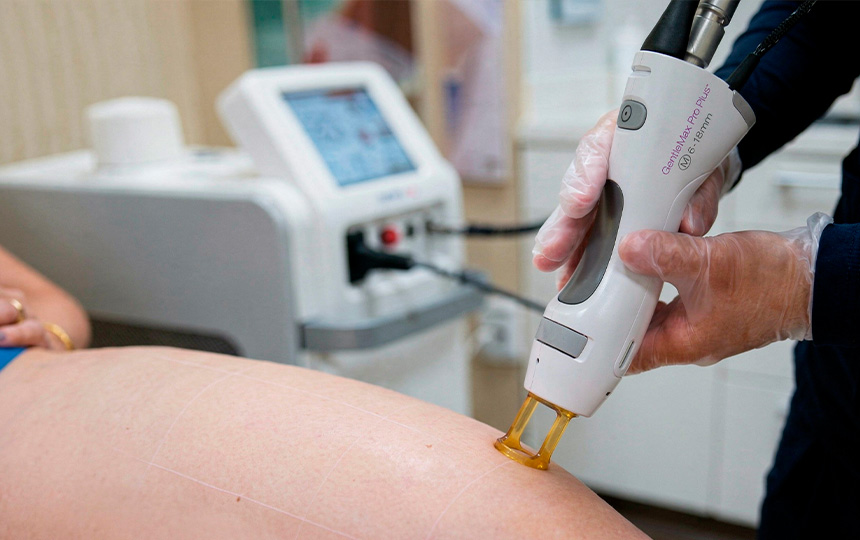




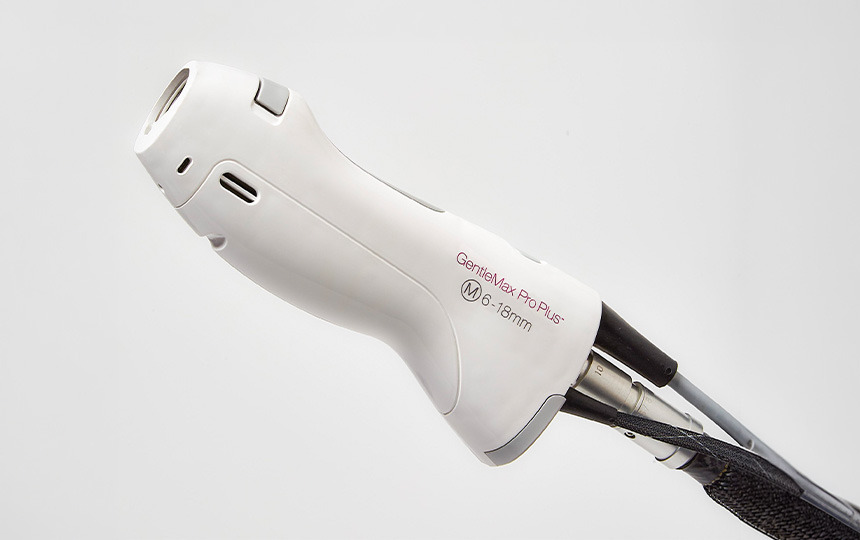
Why laser technology determines your results
Laser hair removal is often perceived as a cosmetic convenience. In reality, it is a scientifically engineered procedure grounded in dermatology, thermodynamics, and tissue interaction.
Two clinics may both offer laser hair removal, yet produce very different outcomes. The difference is rarely marketing. It is almost always technology selection, parameter control, and protocol precision.
At Riolaser, Alexandrite and YAG laser systems are used not as interchangeable tools, but as complementary technologies. Their combined application allows treatments to be tailored to skin physiology rather than forcing skin to adapt to a single device.
To understand why this matters, we need to start with biology.
The biology of hair and why it matters in laser treatments
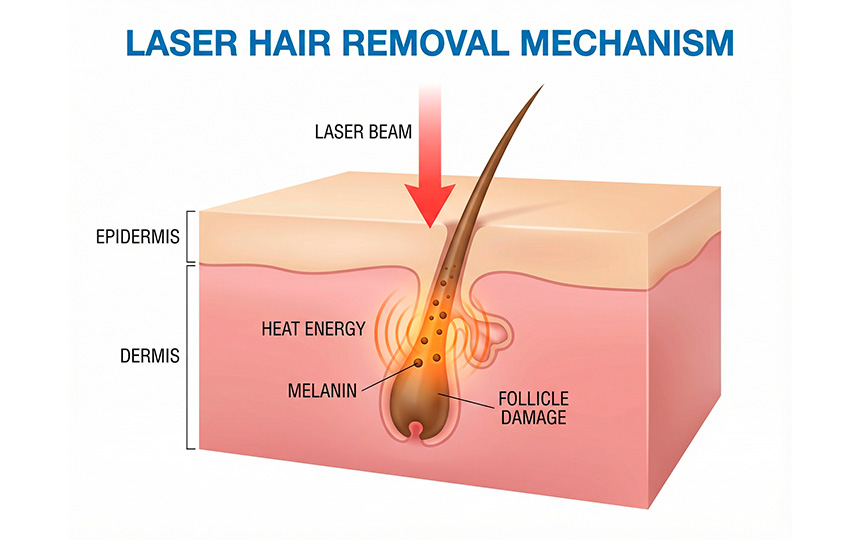
Hair is not simply a strand sitting on the surface of the skin. It originates from a follicle, a complex microstructure located beneath the epidermis. This follicle contains melanocytes, stem cells, and a vascular network that supports active hair production.
Laser hair removal does not remove hair by surface destruction. It targets the follicle itself through a principle known as selective photothermolysis. This process allows light energy to be absorbed selectively by melanin in the hair shaft, transforming into heat that disrupts the follicle’s regenerative capacity.
The key word is selective. The goal is to heat the follicle while preserving the surrounding skin tissue. Achieving that balance requires precise wavelength selection.
Wavelength and its physiological impact
Different laser systems operate at different wavelengths, and wavelength determines both depth of penetration and melanin affinity.
Alexandrite lasers typically operate at approximately 755 nanometers. This wavelength has a high affinity for melanin, which makes it extremely effective when there is strong contrast between hair pigment and skin tone. Because of this interaction, Alexandrite systems are particularly efficient for lighter skin tones and medium to dark hair.
YAG lasers operate at 1064 nanometers. This longer wavelength penetrates deeper into the dermis and interacts less aggressively with epidermal melanin. As a result, YAG systems significantly reduce the risk of pigmentation changes in darker skin tones while still delivering sufficient energy to the follicle.
This is not a cosmetic distinction. It is rooted in skin optics and tissue safety.
Why no single laser works for everyone
Skin tone, hair thickness, hormonal background, and treatment area all influence how laser energy behaves in the skin.
A single technology cannot optimize all these variables simultaneously. This is why combining Alexandrite and YAG systems allows for a more medically sound approach.
At Riolaser Orlando, selection between these technologies is based on individual evaluation rather than default settings. That level of customization expands the therapeutic window, meaning the treatment can deliver effective follicular damage without exceeding safe epidermal thresholds.
The role of the hair growth cycle in treatment planning
Another frequent misconception is that laser hair removal should eliminate all hair in one session. This expectation ignores the biological rhythm of hair growth.
Hair follicles cycle through three phases: anagen, catagen, and telogen. Laser energy is most effective during the anagen phase, when the hair is actively growing and connected to the follicle.
Only a percentage of follicles are in the anagen phase at any given moment. This biological reality explains why multiple sessions are required. It is not a technological limitation, but a physiological necessity.
Spacing between sessions is strategically designed to capture follicles as they enter the optimal growth phase. Proper planning enhances cumulative reduction over time.
Thermal balance and the importance of cooling systems
Delivering heat to destroy a follicle while preserving surrounding tissue requires thermal precision. If epidermal temperature rises excessively, discomfort increases and the risk of adverse effects rises.
Modern laser systems integrate cooling mechanisms to regulate this thermal exchange. These systems protect the outer layer of the skin, allowing the laser to operate within effective energy ranges without compromising safety.
Two essential outcomes depend on proper thermal management:
- Protection of epidermal integrity
- Maintenance of effective fluence levels
Without cooling, clinicians may need to lower energy settings, which can reduce long-term efficacy. With cooling, energy can remain within therapeutic ranges while preserving comfort.
Alexandrite laser in clinical practice
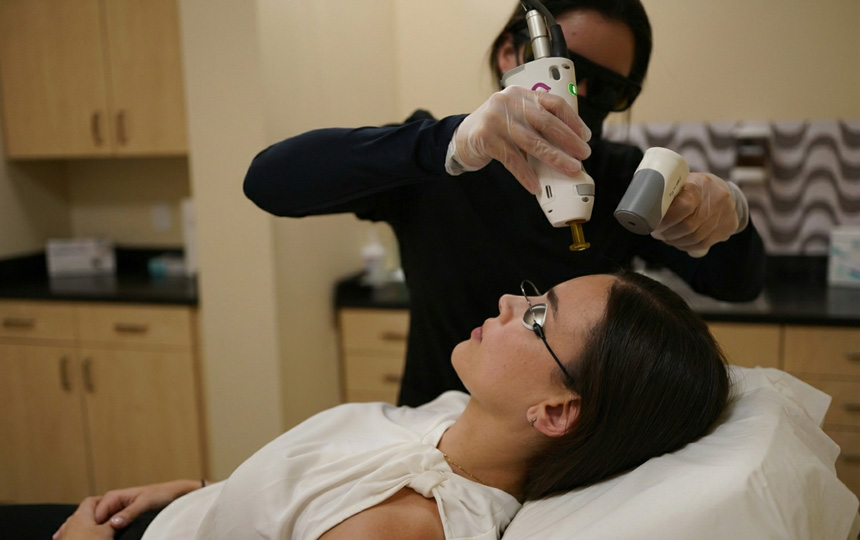
Alexandrite systems are valued for their speed and efficiency. Because they interact strongly with melanin, they can deliver powerful results in suitable skin types.
In large treatment areas such as legs or back, this speed improves uniformity and session efficiency. The precision of the wavelength allows effective targeting while maintaining predictable outcomes.
However, high melanin affinity requires careful evaluation of skin tone. This is where professional expertise becomes critical.
YAG laser and deeper tissue safety
YAG laser technology expands access to safe treatment across diverse skin tones. Its longer wavelength penetrates deeper while minimizing surface melanin absorption.
This reduces the likelihood of hyperpigmentation, particularly in darker skin tones or in areas influenced by hormonal activity such as the face.
YAG systems are not weaker. They are differently calibrated to interact safely with skin that contains higher epidermal melanin levels.
Long term reduction and realistic expectations
Laser hair removal leads to progressive follicular miniaturization. Over time, hair becomes finer, lighter, and less dense.
Some follicles may permanently cease production. Others may reactivate due to hormonal fluctuations. Maintenance sessions may therefore be appropriate depending on individual biology.
Realistic expectations are built on understanding this gradual reduction process rather than expecting immediate elimination.
Technology and expertise must coexist
Advanced equipment alone does not guarantee success. Proper parameter selection, patient assessment, and adherence to protocols determine outcomes.
At Riolaser, technology is paired with clinical evaluation to ensure that wavelength, energy, pulse duration, and cooling mechanisms are aligned with each individual’s physiology.
This approach reflects a medical perspective rather than a standardized service model.
Final reflections on laser science
Laser hair removal is a procedure guided by biological principles and physical precision. Alexandrite and YAG technologies represent complementary tools that, when applied correctly, deliver safe and lasting hair reduction.
Choosing a clinic that prioritizes science, individualized assessment, and advanced systems directly influences the quality of the results.